In 2008, I asked a renown instructor of the dances of Iran if she could recommend any dance instructors I could study with during my upcoming trip to Iran. Her answer left me stunned. She had never been to Iran, and had no contacts in any province. I could not blame her. Restrictions within the country coupled with distorted international media coverage have not made travel to Iran an attractive idea for many. Nevertheless, it was unfortunate. Many dancers across the Iranian diaspora have only had access to instructors with no direct experience in the cultures they represent and teach to others.
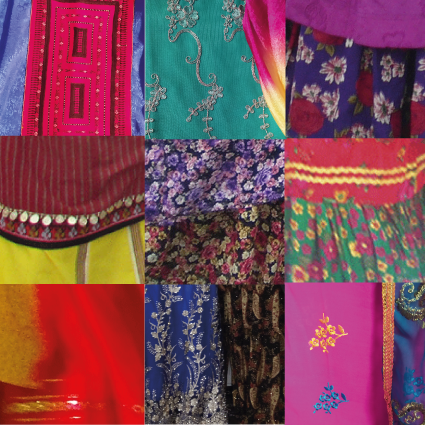
Baluchi, Lori Taleshi, Turkamani, Mazani, Dezfuli, Qashqai, Kordi and Bandari cultures
I was lucky that year in finding an Azerbaijani instructor in Tehran willing to teach me Azerbaijani dances privately. I continued studying with her on three consecutive trips to Iran in the following years. With time, I also met an Armenian instructor in Tehran who gave me private intensive classes. Both experiences were rich in movement and technique, but could not provide me with the sentiment of dancing in community festivities. On subsequent travels I attended weddings and folk festivals across the country. Each door that opened led to others. After years of having experienced the dances of fifteen linguistic groups, I know with certainty what I felt from the onset: no amount of travel will result in a person outside of a culture understanding music and dance as deeply as a cultural insider. Nevertheless, if dancers decide to perform or teach dances from cultures they were not born and raised with, the more direct experience they have with that culture, the better.
How can non-native dancers and instructors enter this realm without cultural appropriation? Part of the answer may lie in how their performances are introduced. Non culture-bearers could label their creations as “inspired in” or “based on” particular linguistic group dances and give credit to the people and the place where the movements were learned, rather than “borrow” original movements in their work then label these creations as Folk or Traditional.
As online and distanced learning becomes more commonplace, it becomes ever more important to credit and avoid misrepresenting the cultures whose dances we admire.
 Journeys of a Diaspora Iranian